



Reduce Risks and Legal Compliance
Standardize decisions, reduce the risk of labor litigation and legal exposure, and demonstrate regulatory compliance with practical actions.
Promote Ethical and Sustainable Leadership
Tailored training, step-by-step guides, templates and reasonable adjustments so that managers act with maximum security.
Attract and retain all types of talent
Improve your employer branding, expanding your talent network and reducing turnover costs through a more attractive and inclusive culture.
Promote psychological safety
Build a people-centered culture with practical solutions that generate trust, strengthen collaboration and belonging.
UNDERSTAND
Practical Workshops
Dynamic sessions to shift perspectives on neurodiversity from "deficits" to cognitive richness. They provide the foundational knowledge for creating safe and inclusive environments for neuroinclusion.

AUDIT
Environment and Process Audit
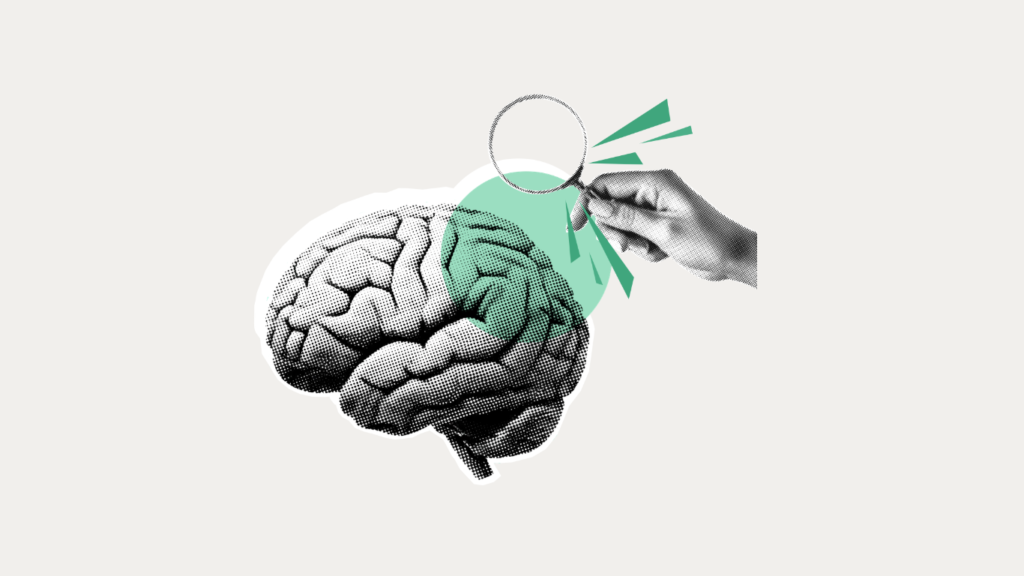
A comprehensive assessment of the physical space, sensory environment, and internal communication channels to identify operational frictions. This helps bridge the gap between company policies and the actual employee experience.
INTEGRATE
Frameworks and Tools
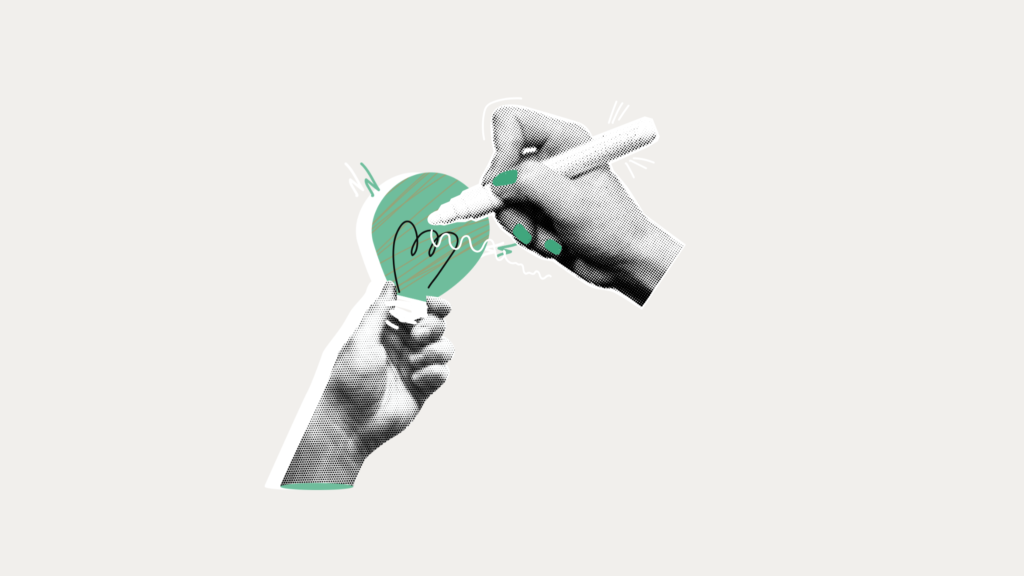
Implementation of essential reasonable accommodations and frameworks designed to enhance the strengths of each cognitive profile. Includes ready-to-use templates that facilitate the daily adaptation of neuro-inclusive practices.
EMPOWER
Individual Coaching
One-on-one coaching sessions focused on developing and strengthening executive functions. We work closely together on planning techniques, task breaking, time management, and maintaining focus to optimize self-management and daily performance.